




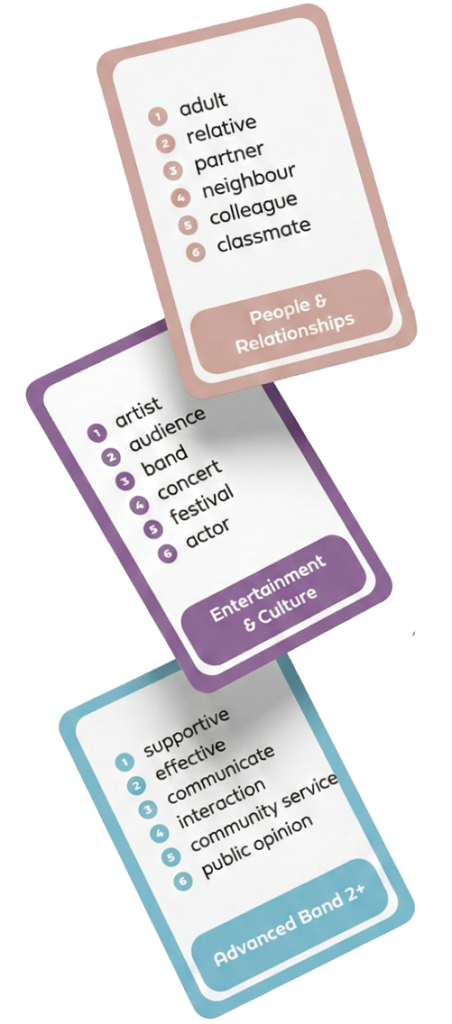
1. Capsule Matching Activity
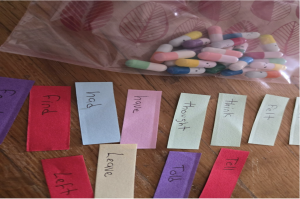
Using small plastic capsules (easily ordered online), place related vocabulary items in matching pairs—for example, a verb in one capsule and its past tense in another. Each student receives a capsule, opens it, and then searches the classroom to find their matching partner. This idea can be adapted in many ways: matching words to their meanings, words to example sentences, or collocations. The activity encourages students to move around, communicate, and actively think about vocabulary.
- Vocabulary Scratch Cards
Scratch-off stickers can be used to create vocabulary “scratch cards.” Students scratch the card to reveal a word, meaning, or task. For example, they might uncover a word and then be asked to use it in a sentence or connect it to another word. The element of surprise adds excitement while still practicing the same language skills students would normally use.
3. Spin the Wheel
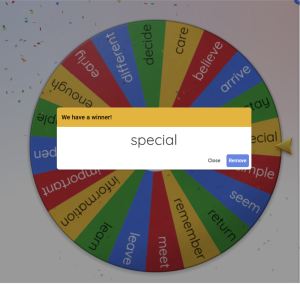
Instead of assigning words from a list, try using an online tool such as wheelofnames.com. Prepare a wheel with vocabulary words in advance. Students take turns spinning the wheel, and the word that appears becomes the focus of the activity—whether forming a sentence, explaining the meaning, or using it in a short dialogue. This simple tool adds variety and keeps students engaged.
- A “Physical Padlet”
You can recreate the collaborative feel of Padlet without using technology. Place several posters with prompts around the classroom. Students receive sticky notes and move around the room responding to the prompts using the target vocabulary. For example, they might write a funny sentence using two new words. Students can read each other’s responses, react to them, and add their own ideas. The posters can remain on the wall for a few days to continue the learning. - Gallery Walk
Create a gallery of sentences or short texts displayed around the classroom, each with a missing vocabulary word. Students receive a list of the target vocabulary and walk around the room deciding which word fits each sentence. They write the number of the sentence next to the correct word on their answer sheet. This activity keeps students active while allowing for quick and easy assessment.
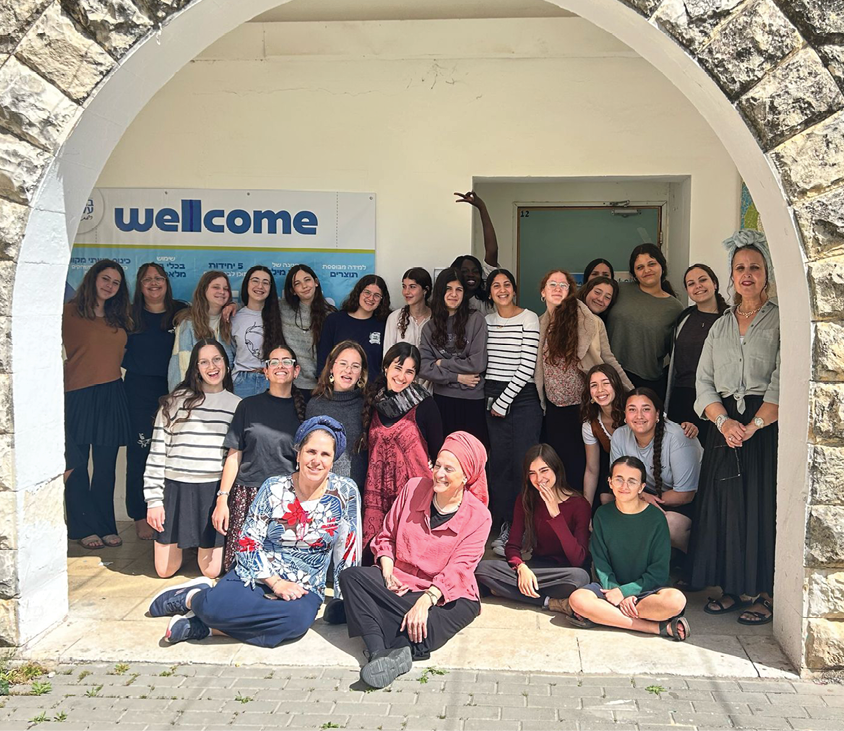
These activities show that vocabulary practice does not have to rely on memorizing lists. With a bit of creativity, we can transform vocabulary learning into an active and meaningful experience that encourages students to move, collaborate, and truly use the language. In this newsletter, you will also find inspiring ideas from our Bnei Akiva teachers, who have shared the creative and engaging activities they have implemented in their classrooms. Their work reminds us how much we can learn from one another.
As we approach Pesach, I would like to thank all of you for your creativity, dedication, and willingness to share ideas with one another. Our students are lucky to have you! Wishing you and your families a joyful and meaningful holiday!